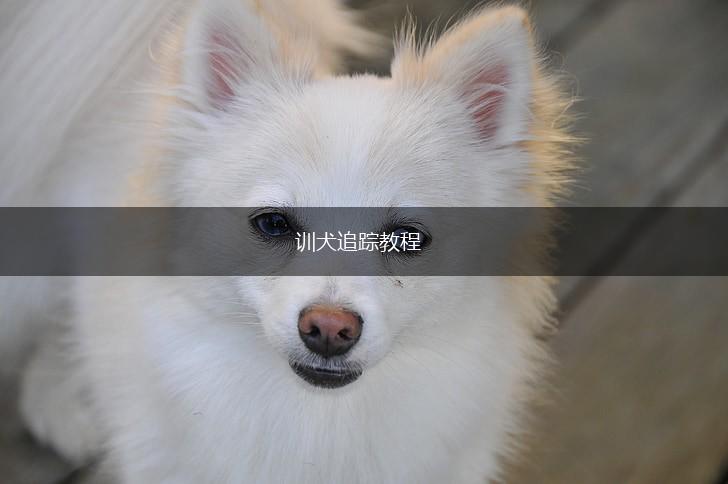
Training your dog to track is an incredibly rewarding experience for both you and your furry friend. Not only does it provide a mental and physical workout for your dog, but it also allows them to tap into their natural instincts and abilities. In this guide, we will walk you through the steps to train your dog to track and how to use their skills for practical purposes.
The first step in training your dog to track is choosing a scent or object for them to follow. This could be a piece of clothing, a toy, or even a specific scent. It's important to choose an object that your dog is familiar with and enjoys, as this will help motivate them during the training process.
Once you have chosen your tracking object, it's time to introduce it to your dog. Allow them to sniff and investigate the object, and then hide it somewhere nearby. Encourage your dog to find the object, and reward them when they do. Repeat this process several times until your dog is familiar with the object and understands the task at hand.
As your dog becomes more skilled at tracking the object, you can start to increase the distance and difficulty of the task. Hide the object in more challenging locations, such as under a pile of leaves or in a different room of the house. You can also start to add distractions to the area, such as other scents or noise, to make the tracking more challenging.
It's important to practice tracking in different settings, such as fields, woods, and urban environments. This will help your dog learn to track in a variety of situations and prepare them for real-life scenarios.
Once your dog is skilled at tracking, you can use their abilities for practical purposes. This includes tracking down missing items or people, or even for hunting or search and rescue missions. Make sure to always train in a safe and controlled environment, and never put your dog in a dangerous situation.
Training your dog to track is a rewarding experience that can provide both mental and physical stimulation for your furry friend. By following these steps and practicing consistently, you can help your dog tap into their natural instincts and abilities, and use their skills for practical purposes. Remember to always train in a safe and controlled environment, and have fun with the process!